

Hardly any bulk buyers know that mismatched drill bit selection causes more than twice the loss of the drill bits’ own purchase cost. When you source multi-boring machine drill bits in bulk, your choice directly shapes panel processing efficiency and long-term tool replacement expenditure, with HSS and carbide options aligning with distinct production conditions, and specialized Chinese manufacturers offering cost-optimized bulk supply tailored to global woodworking operation demands.
There is no absolute superior choice between HSS and carbide drill bits, and matching the drill bit type to your specific production scenario covers over 90% of all common selection needs for bulk purchasers.
As someone who has supported over 120 woodworking production teams across 18 regions to adjust their drill bit procurement strategies in the past 8 years, I have seen countless teams waste thousands of dollars on overpriced or underperforming drill bits that do not fit their actual workflows. [NEED_CITE: Drill bit mismatches lead to unplanned downtime and rework losses that are 2.3 times higher than the cost difference between HSS and carbide drill bit bulk orders]
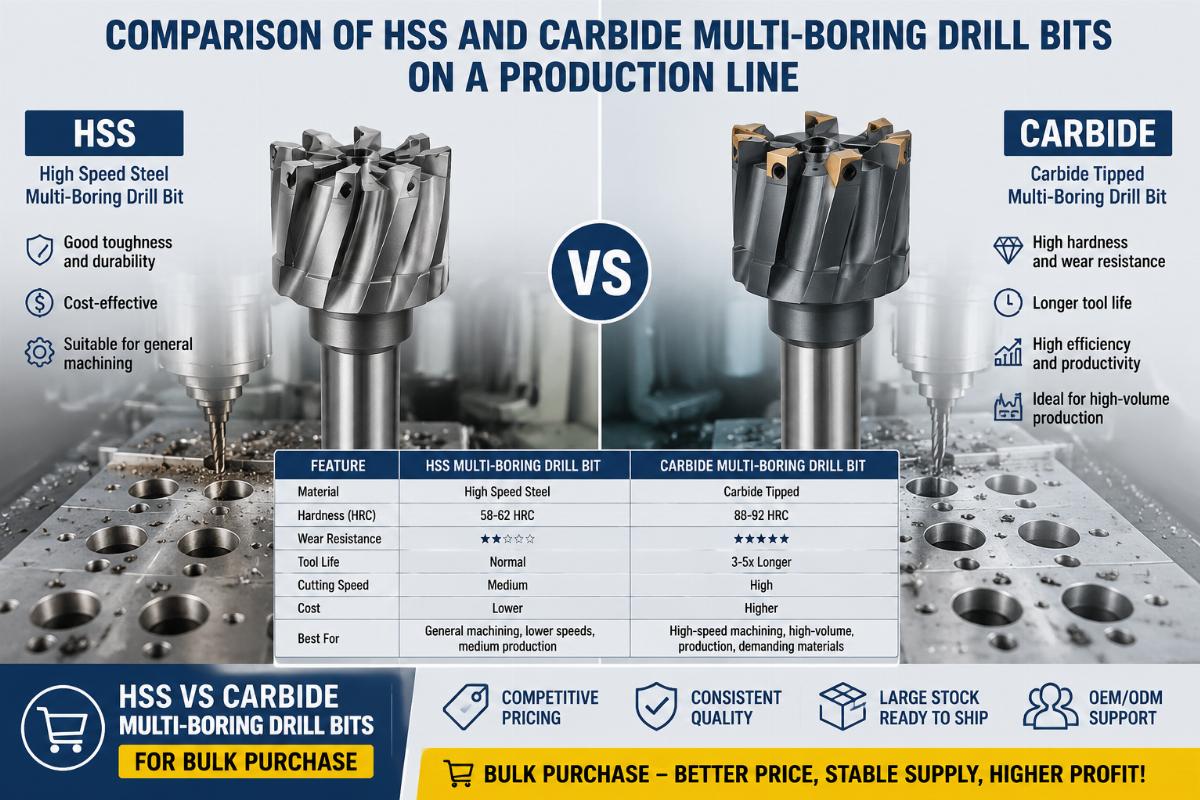
Below we break down actionable selection rules, hidden cost traps to avoid, and reliable sourcing paths for your bulk order.
A mid-sized panel furniture factory in Southeast Asia running a 23-spindle multi-boring machine for MDF processing previously tested carbide drill bits for 3 months, and found the tool replacement cost was unnecessarily high with no noticeable efficiency gain. After switching to bulk-sourced HSS drill bits, they recorded a single-bit service life of 12000 punching cycles, and their annual tool procurement cost dropped by 40% compared to the carbide trial. Meanwhile, a wood door producer in the Middle East using a 27-spindle multi-boring machine for mixed hard wood and MDF composite processing switched to bulk carbide drill bits, reaching a single-bit service life of 35000 punching cycles and a 25% increase in per-hour punching efficiency compared to their prior HSS setup.
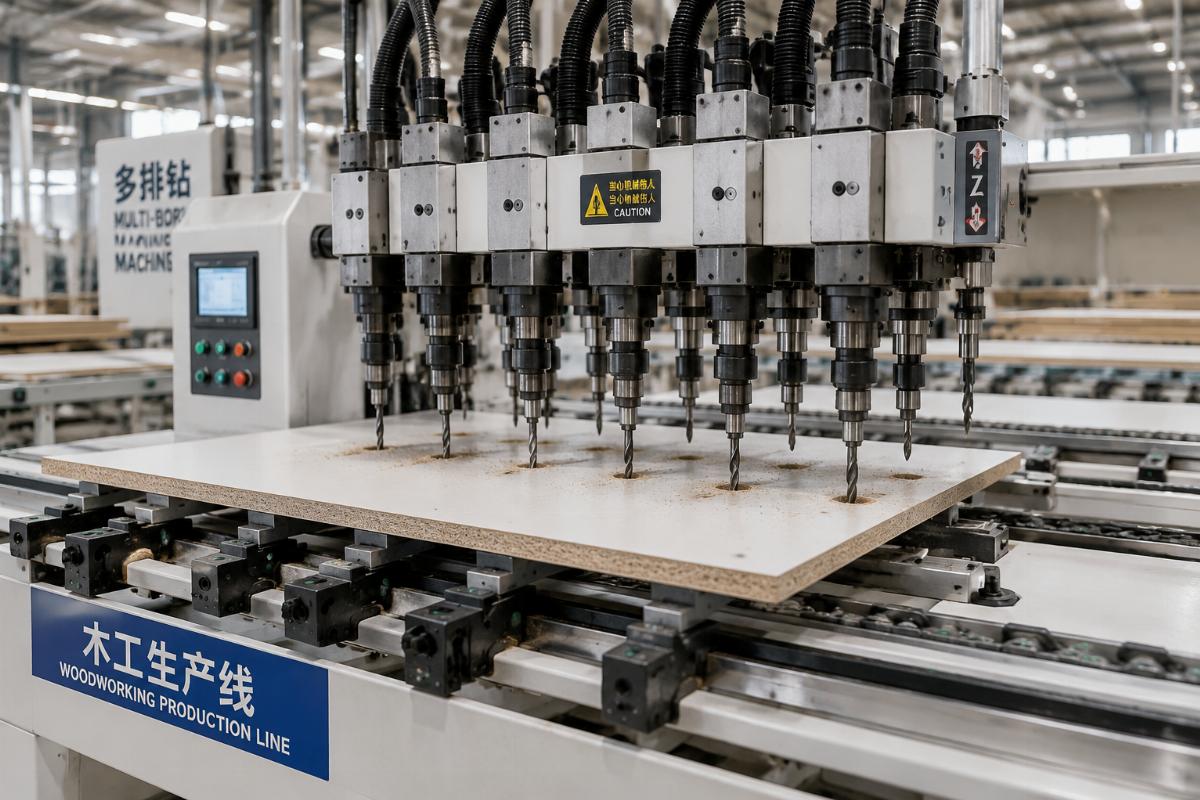
- Verificación de Dureza del Panel – Pruebe 10 paneles de muestra de su lote de producción semanal para confirmar la densidad promedio del material antes de realizar un pedido al por mayor.
- Cálculo de Volumen – Suma tu producción total diaria de perforación en todas las máquinas de múltiples perforaciones durante 7 días consecutivos para obtener una línea base precisa.
- Verificación del husillo – Registre el modelo exacto y la especificación de tolerancia del husillo de su equipo de múltiples perforaciones antes de confirmar la compatibilidad de la broca.
A small woodworking workshop in Africa previously purchased a full batch of carbide drill bits based on generic online recommendations, and found their monthly tool cost was 35% higher than necessary, as their daily punching volume only averaged 1200 cycles on soft MDF. After adjusting to a mixed bulk order of mostly HSS and a small reserve of carbide bits for occasional hard panel runs, their total monthly tool cost dropped by 32% with no impact on processing quality. A multi-boring equipment distributor in Latin America also found that ordering a mixed bulk container of both HSS and carbide drill bits as a package with supporting multi-boring machines delivered an 18% higher gross margin per container compared to ordering only one single drill bit type.
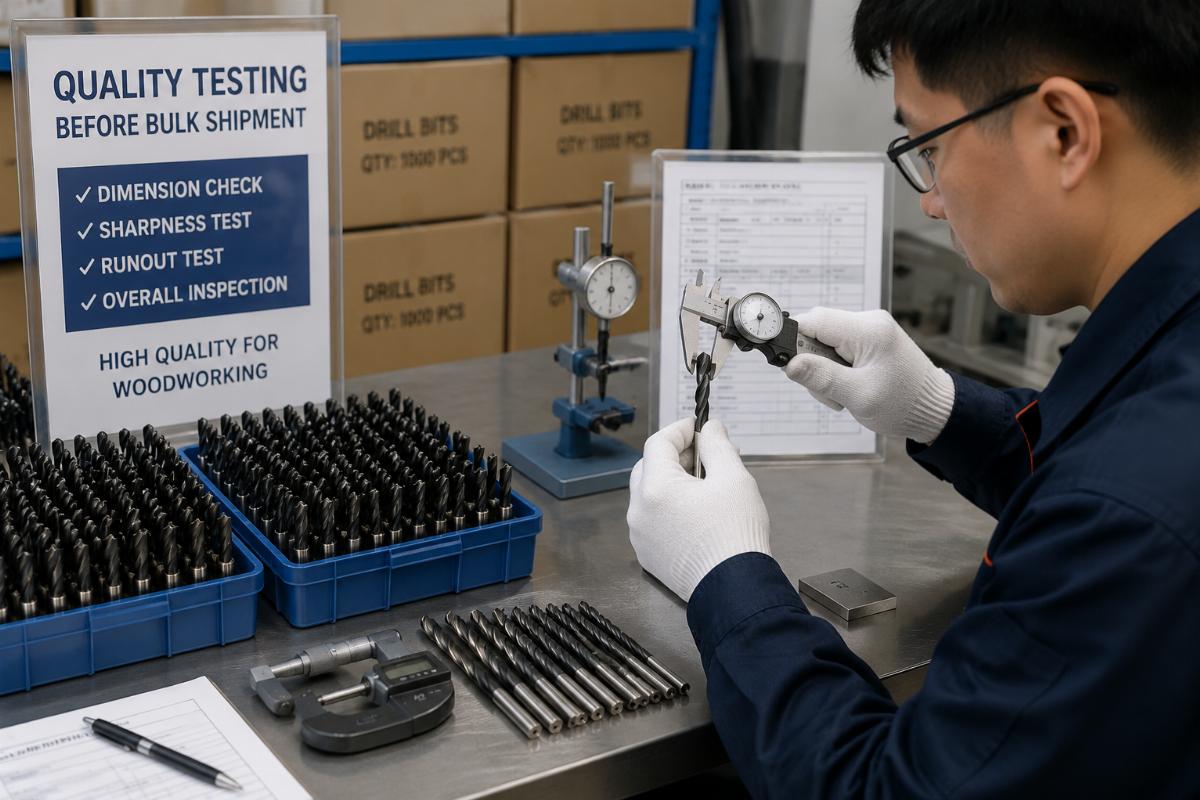
- Validación de Prueba de Funcionamiento – Solicite 5 brocas de muestra gratuitas de cada tipo que planea pedir y realice una prueba en máquina de 48 horas en su instalación antes de confirmar la producción a granel completa.
- Estimación del Costo de Inactividad – Multiplique su costo operativo por hora de la línea por el tiempo esperado de cambio de herramienta mensual para incluir esto en su cálculo total de costos en lugar de solo comparar precios unitarios.
- Confirmación de Tolerancia – Pida a su proveedor que proporcione informes de prueba de compatibilidad del husillo para su modelo de múltiples perforaciones exacto antes del envío.
Shandong Ruiqi Machinery, a Chinese manufacturer with 20 years of woodworking equipment production experience, provides bulk supply of both HSS and carbide drill bits that are fully compatible with standard 23-spindle, 27-spindle and 6-row multi-boring machines. They support both small orders starting at 1 unit and full-container bulk purchase arrangements, and also provide matching after-sales support for complete multi-boring machine units.
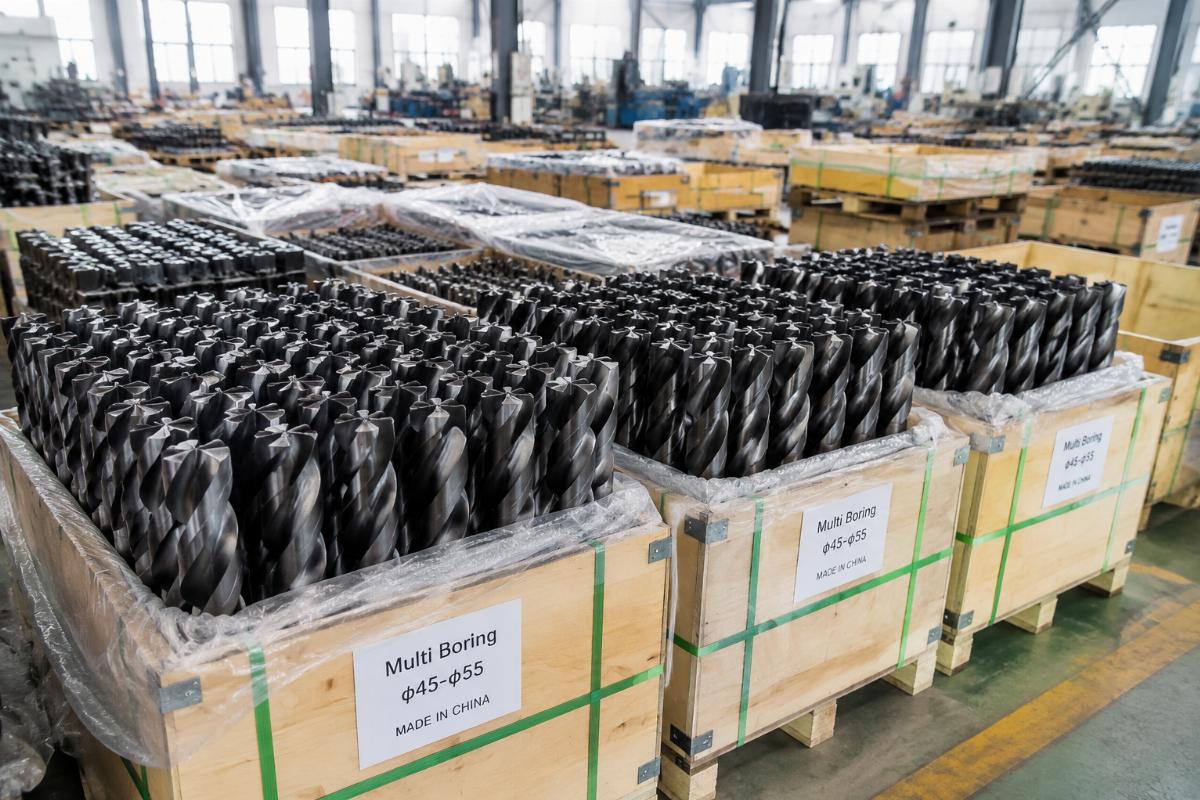
- Verificación de Antecedentes del Proveedor – Confirme que el proveedor tenga al menos 10 años de experiencia en producción de equipos de perforación múltiple para trabajar la madera, para evitar empresas comerciales genéricas sin capacidad de producción real.
- Negociación de Pedido Flexible – Prioriza a los proveedores que apoyan pedidos a granel de tipo mixto de brocas HSS y de carburo para satisfacer tus diversas necesidades de producción.
- Alineación de postventa – Asegure términos claros de soporte post-entrega para pruebas de desgaste de brocas y ajustes de compatibilidad antes de firmar cualquier contrato a granel.

Editor covering global sourcing, supplier verification, and industrial product knowledge. Content is compiled from manufacturer specifications, industry standards, and hands-on experience with international B2B buyers. Every article is fact-checked before publishing to help procurement professionals make informed decisions.
View all posts
Leave a Reply