Specification-first selection — every electrical and dimensional parameter of this dust-free mother saw is confirmed against your local supply and panel mix before the order is locked in.
Technical Specifications
| Parameter |
Value |
| Product Type |
Dust-Free Table Saw / Mother Saw |
| Blade Type |
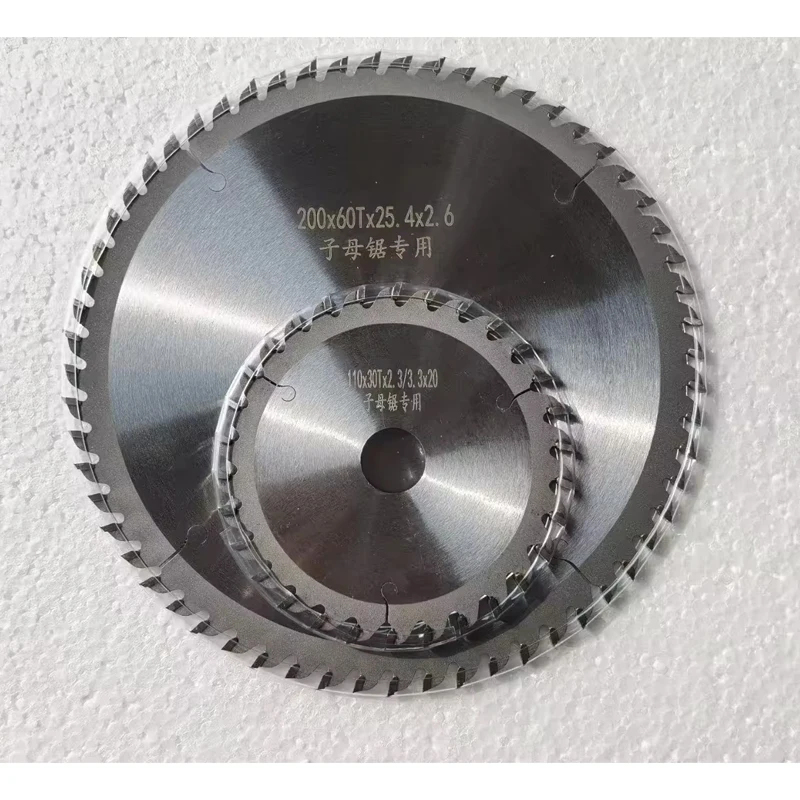
Mother saw blade (dust-free cutting) |
| Dust Extraction |
Integrated dustless cutting system |
| Voltage & Frequency |
Configurable from 110V to 440V (basis to be confirmed per market) |
| Rated Power (kW) |
(basis to be confirmed) |
| Panel Thickness Range |
(basis to be confirmed) |
| Panel Width Range |
(basis to be confirmed) |
| Feed Speed |
(basis to be confirmed) |
| Cutting Tolerance |
(basis to be confirmed) |
| Control System |
(basis to be confirmed) |
| Overall Dimensions (L×W×H) |
(basis to be confirmed) |
| Net Weight |
(basis to be confirmed) |
| Warranty |
1 Year |
| Standards |
CE, ISO 9001 |
Application Suitability
| Application |
Material or Output |
| Panel sizing and crosscutting |
MDF, particleboard, plywood, solid wood panels |
| Furniture factory cutting stations |
Sized panels with reduced airborne dust at source |
| Cabinet making and joinery workshops |
Clean crosscuts without secondary edge cleaning |
Why the Voltage Question Should Come Before the dust-free table saw specifications
A mother saw that cannot plug into your workshop's supply is not a production asset — it is a crate sitting on your floor.
I once configured a panel saw for a custom cabinet factory and missed a voltage confirmation step. The machine arrived, the electrician pulled the connection, and nothing happened. The factory lost three weeks waiting for a step-down transformer that should have been discussed in the first email exchange [NEED_CITE: voltage and frequency standards by export market]. That gap between quotation and commissioning is where most cross-border machinery deals stall, and it is entirely avoidable when dust-free table saw specifications are reviewed line by line before production begins.

Matching the Electrical Profile to Your Workshop Grid
The Ruiqi dust-free mother saw supports voltage configurations ranging from 110V to 440V, which covers the majority of single-phase and three-phase industrial supplies worldwide. Before any order enters production, the electrical schematic and voltage confirmation document are prepared to match the buyer's local frequency and phase requirements. This step prevents the scenario where a 60 Hz motor is shipped to a 50 Hz market, causing overheating under continuous load.
Panel Thickness and Width Capacity as Selection Criteria
Every furniture factory runs a specific mix of board thicknesses, and the mother saw must accommodate the full range without blade changes mid-shift. The panel thickness and width capacity figures in the dust-free table saw specifications tell you whether your standard 18 mm MDF and 25 mm particleboard both pass through cleanly. When these numbers are confirmed early, downstream assembly problems from miscut panels disappear [NEED_CITE: CE machinery directive requirements for industrial equipment].
Cutting Tolerance and Its Effect on Assembly Fit
A mother saw in a sizing station defines the dimensional accuracy of every panel that follows it into edge banding and drilling. The cutting tolerance determines whether cabinet sides meet at the required squareness or whether fitters spend time shimming joints. The integrated dustless cutting mechanism keeps the work surface clear, which supports consistent feed contact and repeatable accuracy across a full production run.
The Hidden Cost of Skipping Specification Review
When a buyer selects a mother saw based on a brochure image rather than confirmed dimensional data, the consequences surface after installation. A feed height that does not match your roller conveyor creates a bottleneck at the infeed. An underpowered motor on thick particleboard stalls mid-cut, scoring the panel surface. A dust extraction port sized for a different duct diameter forces adapters that reduce suction and let particulate escape back into the workshop air [NEED_CITE: workshop dust extraction standards for woodworking facilities]. These are not warranty claims — they are configuration mismatches that cost time and rework.
Why Procurement through This Channel Works
The specification sheet for every Ruiqi mother saw is completed before the quotation is issued, not assembled from generic catalogue data. Voltage, frequency, control language and dimensional drawings are confirmed against your actual workshop conditions. The four-stage quality control process includes a pre-shipment test on your specified panel thickness, with a factory test record issued for your review. Engineer-led configuration means the saw is recommended based on your production volume and material mix, not pushed from stock. The patented cutting mechanism holds verified tolerance, and full OEM capability allows custom branding for distributors building their own equipment lines.
Documentation & Verification
- Machine specification sheet with confirmed cutting tolerance and motor rating
- Electrical schematic and voltage confirmation matched to your local supply
- Factory test record on your panel thickness range before dispatch
- Operation and maintenance manual in the agreed operator language
- CE declaration of conformity with machinery directive compliance
- Spare parts list with wearing part identification for blade and dust components
Installation, Commissioning & Support
- Confirm dedicated circuit capacity matching the saw's rated power before delivery
- Verify dust extraction ducting diameter matches the integrated port specification
- Review feed height alignment with existing roller conveyors at the infeed station
- First-run parameter setting performed with your standard panel materials
- Operator training covers blade change procedure and dust system maintenance intervals
- Spare mother saw blades and wear parts listed for initial reorder planning
Moving from Inquiry to Confirmed Configuration
To configure a mother saw that fits your line without rework, share your standard panel materials and thickness range, the local voltage and frequency at your facility, and the language requirement for the control interface. If the saw will feed into an edge bander or drilling station, note the conveyor height and expected daily throughput so the feed speed and motor rating are matched accordingly. Sample processing on your material can be arranged before the order is finalized.
Frequently Asked Questions
Q: How is cutting tolerance verified and what test method is used?
A: Each saw undergoes a factory test using panel material matching the buyer's specification. The test record documents measured deviation across multiple cuts. This pre-shipment verification ensures the tolerance stated in the specification sheet is achievable under real conditions rather than being a catalogue claim.
Q: What voltage and frequency options are available for my market?
A: The Ruiqi mother saw supports configurations from 110V to 440V across standard industrial frequencies. The exact voltage, phase and frequency are confirmed against your local supply during the quotation stage, and an electrical schematic is issued before production begins.
Q: What is the maximum panel thickness and width this saw can handle?
A: The panel thickness and width capacity are confirmed for each order based on the buyer's material mix. These figures appear in the finalized specification sheet so you can verify compatibility with your MDF, particleboard and plywood range before committing.
Q: How does the dust-free system integrate with my existing extraction ducting?
A: The integrated dustless cutting system connects to your workshop's central extraction network through a standard port. The duct diameter and suction requirement are documented in the specification sheet so your facility team can verify compatibility before the machine arrives on site.
Q: What spare blades and wearing parts are included?
A: A spare parts list is supplied with every order, identifying mother saw blades and dust system wear components. Replacement sourcing is documented so your maintenance team can plan reorder intervals based on your production volume and material type.