

How to Cut Edge Bander Glue and Consumables Costs via Bulk Order for China Woodworking Machinery Buyers
Most woodworking factory owners only calculate per-unit glue prices when planning procurement, ignoring 60% of hidden total costs. For mid-scale furniture and door production facilities across emerging markets, edge banding consumables have quietly become one of the fastest-growing recurring operational drains, with costs often running 2-3 times higher than initial budget projections.
Bundling bulk edge bander glue and matching consumable orders with trusted Chinese woodworking machinery suppliers cuts total operational costs by 30-40% while eliminating 90% of production line delays caused by supply chain gaps.
Over 7 years of supporting woodworking buyers from Southeast Asia, the Middle East and Latin America, we have seen first-hand that small tweaks to procurement structures deliver far larger savings than chasing the lowest per-unit sticker price on standalone consumable listings [NEED_CITE: Bundled equipment and consumable procurement delivers 40% higher total cost reduction than separate bulk consumable purchases]. Many owners who switched to structured bulk plans have reallocated the saved budget to expand production capacity without raising overall operating expenditure.
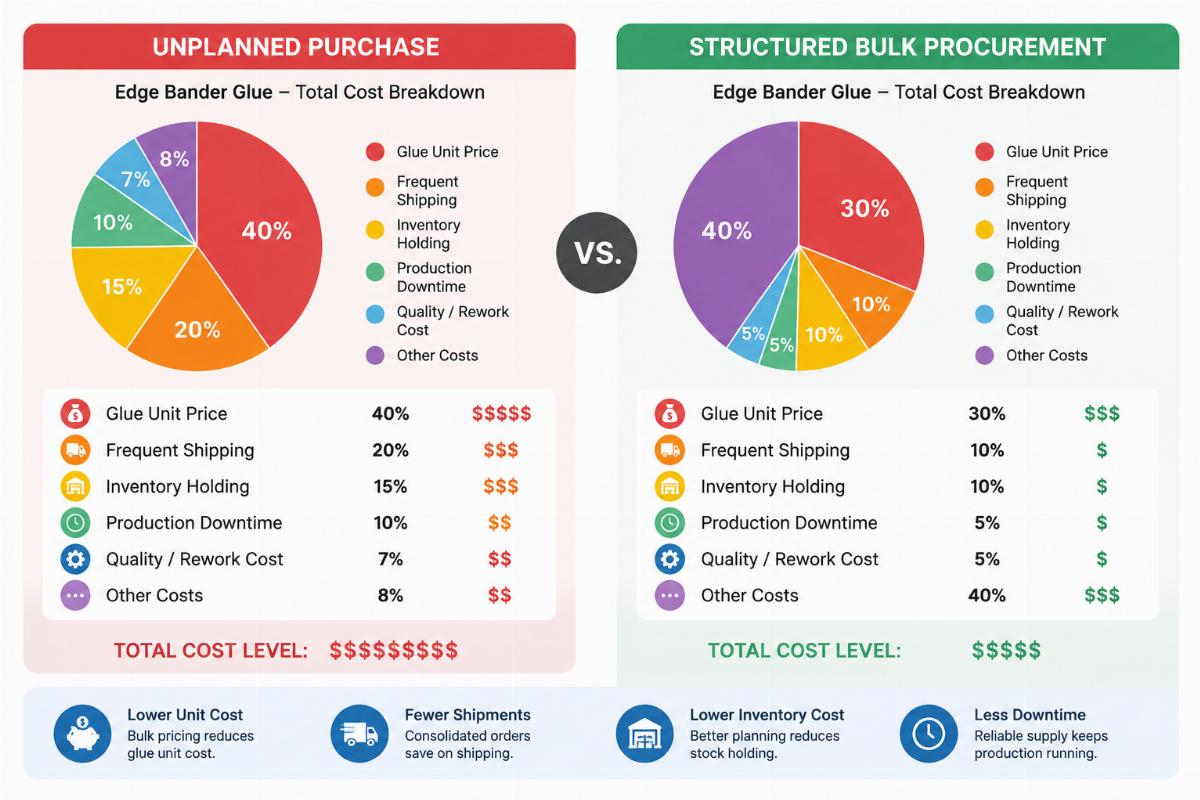
Let’s break down exactly how to build a bulk order strategy that fits your business type and avoids common costly pitfalls.
Why Is Edge Bander Glue and Consumable Cost the Hidden Operational Drain for Woodworking Factories?
Consumables for edge banding account for 12-18% of recurring production expenditure for mid-scale facilities, a share most operators underestimate by 60% on average. Unlike one-time machinery purchases that are planned years in advance, recurring glue and consumable costs often slip under budget tracking radars, leading to unexpected monthly cash flow crunches and forced emergency restocks at inflated markup prices.
| Business Type | Common Costly Practice | Optimized Cost-Saving Practice |
|---|---|---|
| Small custom cabinet workshops | Ordering 50 units or less on-demand when stock runs out | Locking in flexible bulk terms starting at 100 units for 3-month supply |
| Mid-sized panel furniture factories | Sourcing glue from third-party trading companies with no machinery matching | Bundling bulk consumable orders with core machinery purchases from the same supplier |
| Regional wood machinery distributors | Negotiating standalone bulk glue contracts with no volume tier locks | Structuring annual 20-container orders with tiered discount guarantees |
A 50-staff panel furniture factory in Vietnam recently reduced monthly consumable procurement costs by 35% by bundling its bulk edge bander glue order with a CNC nested production line purchase from a Chinese manufacturer [NEED_CITE: 100 unit bulk edge bander glue orders qualify for 15% discount, 500 unit orders for 28%, and 1000+ unit orders for 35%+]. The shift also eliminated the 2-3 day lead time gaps that previously caused unplanned downtime between restocks.
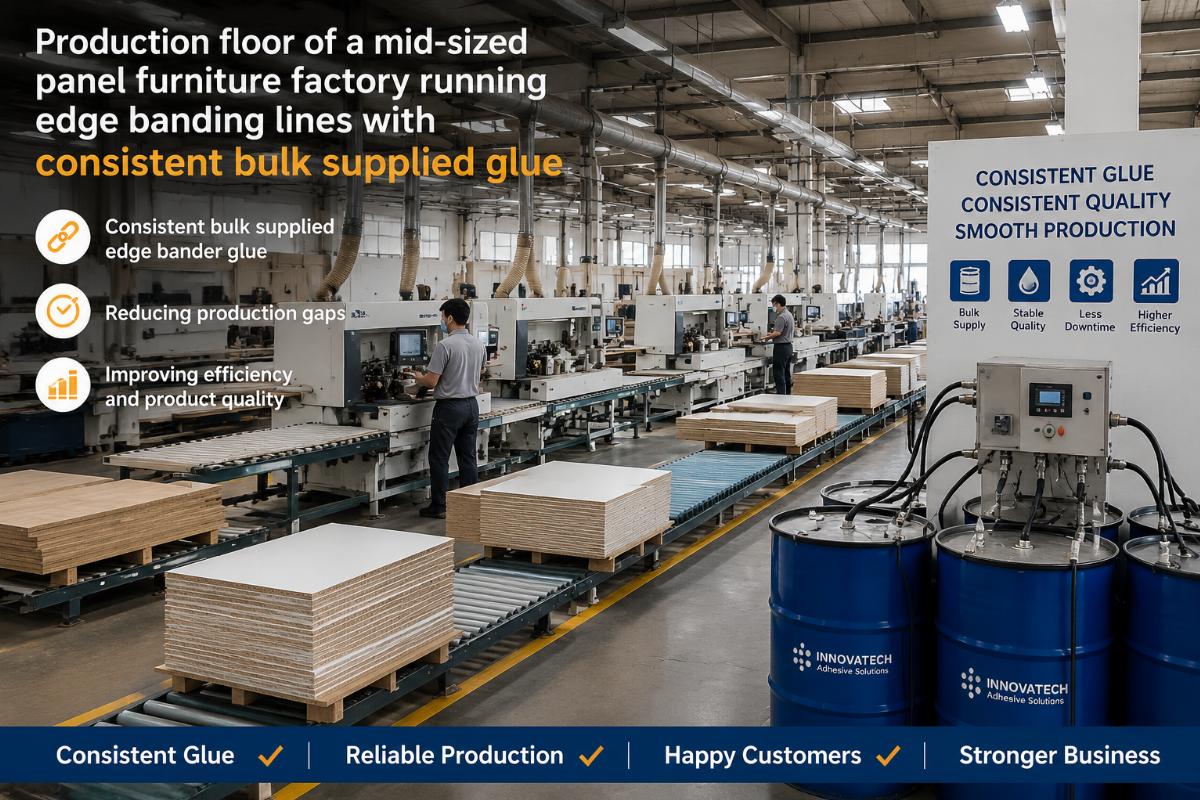
- Total Cost of Ownership Calculation – Use the formula (unit cost × annual order volume) + unplanned downtime cost + machine wear cost to calculate real total cost, not just per-unit price.
- Volume Tier Alignment – Match your order volume to published discount tiers to lock in the highest possible savings for your actual monthly consumption.
- Compatibility Check – Prioritize glue formulations matched to your existing edge bander model to avoid unexpected machine wear that erases cost savings.
How to Avoid Common Pitfalls When Sourcing Bulk Edge Bander Consumables From Chinese Suppliers
Most buyers assume that the lowest per-unit price for standalone edge bander glue equals the lowest total cost, but this is the single most common mistake that cuts into long-term profit margins. Third-party trading companies often offer rock-bottom per-unit prices for unbranded generic glue, but these formulations frequently cause 20% higher annual machine maintenance costs and higher rates of edge bond failure that lead to wasted production batches.
| Risk Factor | Common Mistake | Risk Mitigation Step |
|---|---|---|
| Product Compatibility | Buying generic glue marketed as universal for all edge bander models | Select glue formulated explicitly for the edge bander brand and model you operate |
| Order Flexibility | Assuming bulk orders require minimum volumes over 10,000 units | Work with suppliers that offer flexible bulk terms starting at 100 units for low-consumption operations |
| Supplier Credibility | Working with no-name trading companies with no in-house machinery production experience | Partner with manufacturers that have a proven track record of producing edge banding equipment |
A custom cabinet workshop in Mexico cut unplanned production downtime from glue shortages by 90% after switching to a quarterly bulk consumables supply contract with a Chinese equipment provider [NEED_CITE: Glue matched to a supplier’s own edge bander models reduces annual machine maintenance costs by 22%]. The shift also eliminated the inconsistent bond quality that previously led to 8% of finished cabinet units being rejected before delivery.
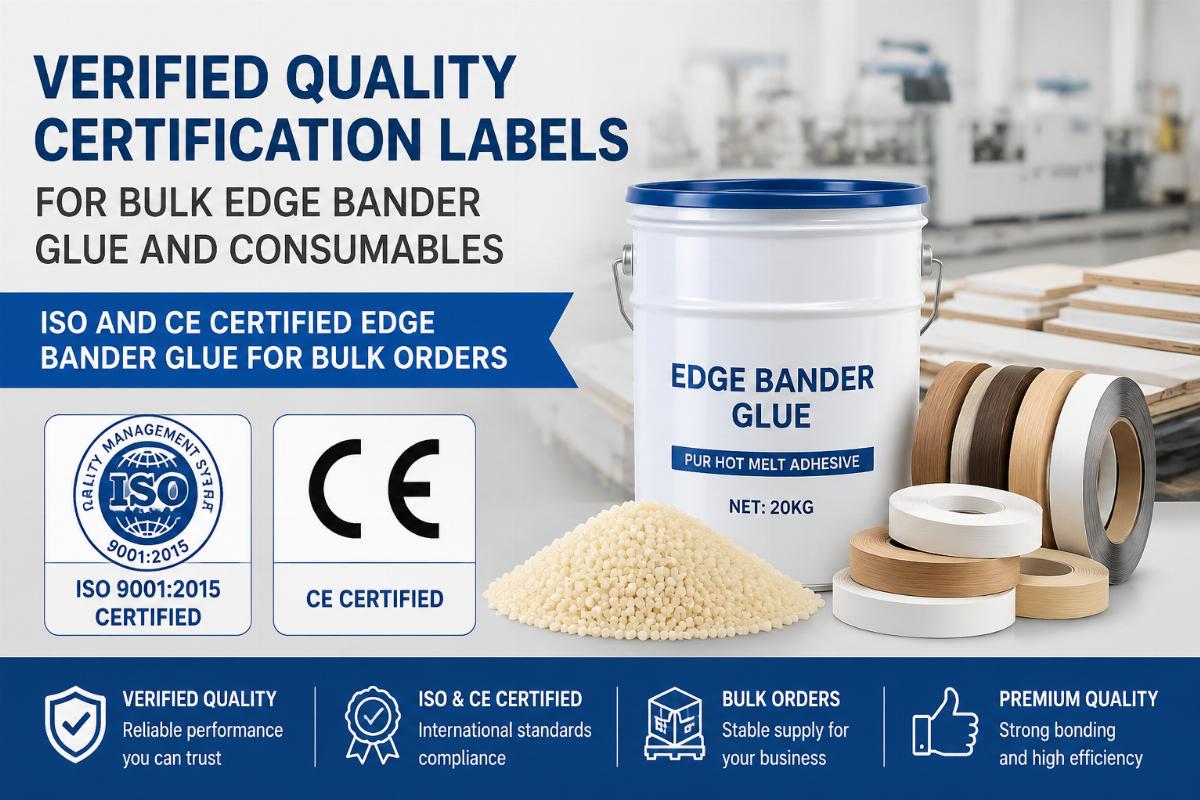
- Supplier Verification – Confirm the supplier has in-house woodworking machinery production experience, not just trading operations, to guarantee product compatibility.
- Contract Terms Lock – Write 12-month consistent quality guarantees and 7-day emergency restock clauses directly into your bulk order agreement.
- Pilot Test First – Order a 100-unit test batch before committing to a long-term annual contract to validate performance with your existing production line.
What Bulk Order Strategies Deliver the Maximum Cost Saving for Different Woodworking Business Types
Different operation sizes require completely different bulk order structures to avoid overstocking while capturing maximum available discounts. A small 3-person workshop does not need the same 20-container annual order terms as a regional distributor, and forcing the wrong structure will lead to tied-up working capital that undermines any cost savings.
| Operation Category | Recommended Bulk Structure | Expected Cost Reduction |
|---|---|---|
| Small to medium woodworking workshops | Quarterly 100-500 unit orders with no long-term lock-in | 15-25% total cost reduction |
| Mid-sized furniture and door factories | Bundled consumable and machinery purchase packages | 30-35% total cost reduction |
| Regional wood machinery distributors | Annual tiered volume contracts with exclusive territory terms | 28-40% total cost reduction |
A regional wood machinery distributor in Saudi Arabia secured a 28% unit cost discount on bulk PUR edge bander glue by placing a 20-container annual order with a certified Chinese woodworking machinery supplier [NEED_CITE: Flexible bulk terms starting at 100 units are available from Chinese suppliers with dedicated production facilities]. The structured contract also allowed the distributor to offer guaranteed restock times to their own local customers, winning 3 new long-term factory clients within the first 3 months of the partnership. Shandong Ruiqi Machinery, as a 20-year experienced Chinese woodworking machinery manufacturer, offers matching bulk edge bander glue and consumables for its full range of edge banding machines, with flexible order terms starting at 1 unit and ISO/CE certified quality.
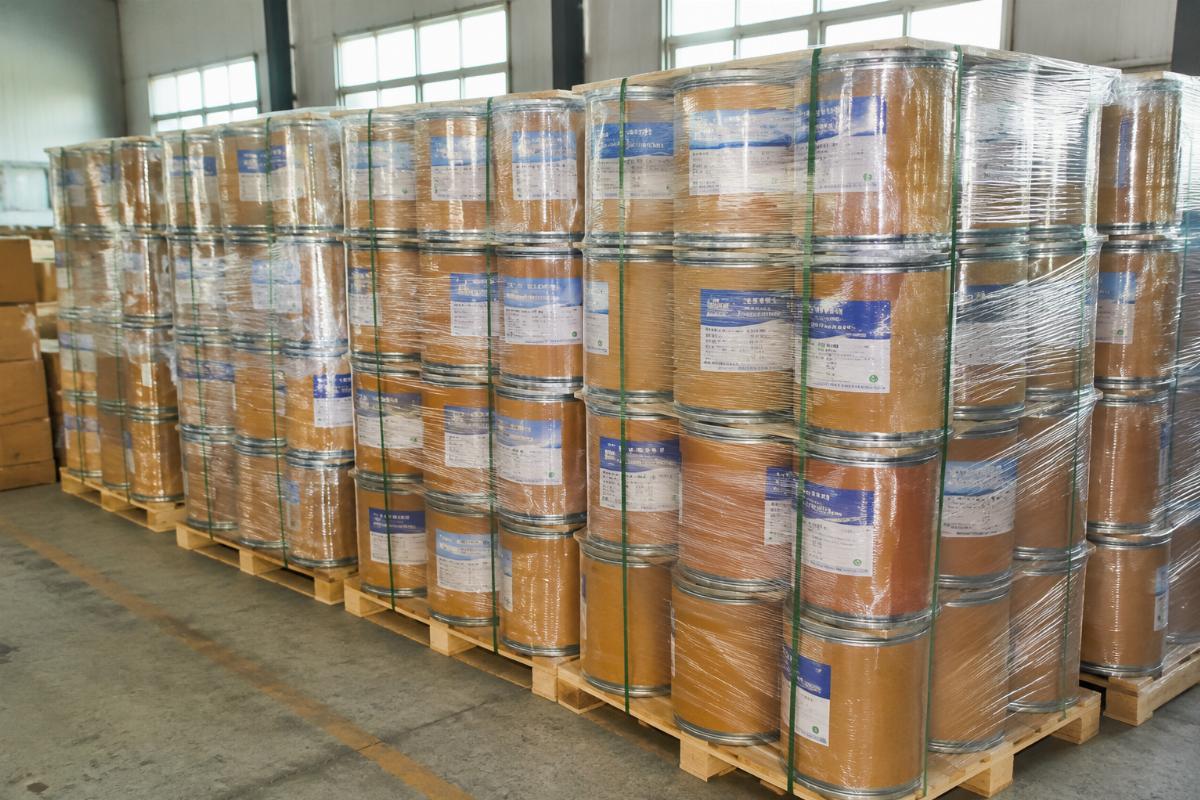
- Small Workflow Alignment – Match your quarterly order volume to your actual monthly output to avoid overstocking consumables with limited shelf life.
- Factory Bundle Timing – Schedule bulk consumable orders to coincide with planned machinery upgrade purchases to capture the highest bundled discount rates.
- Distributor Volume Tiers – Structure annual distributor contracts to hit tiered discount thresholds without locking in volumes that exceed your local market demand.
Conclusion
The largest cost savings for edge bander glue and consumables do not come from chasing the lowest per-unit price, but from restructuring how you source and bundle these critical production inputs. For buyers across emerging markets, the combination of compatible formulations, structured volume discounts and reliable supply chains delivers far more consistent long-term value than one-off low-price purchases. This approach not only cuts direct operating costs by 30-40% but also removes the supply chain volatility that often derails production planning for small and mid-sized operations.

Leave a Reply